With modern mining operations worldwide facing stricter environmental regulations, tightening safety standards for tailings management, and mounting water scarcity challenges, processing plants are rapidly transitioning toward advanced solid-liquid separation solutions. Whether upgrading an existing facility or commissioning a new dry-stacking circuit, selecting the right replacement components for industrial disc filtration systems is vital for maintaining optimal dewatering performance and avoiding costly unplanned downtime.
When plant managers and procurement engineers search for ceramic filter plate selection strategies, the focus must go beyond basic dimensions. It requires a comprehensive evaluation of equipment specifications, mineral slurry characteristics, and structural compatibility to ensure a seamless drop-in fit and long-term operational reliability.
1. Match the Filter Model and Sector Dimensions
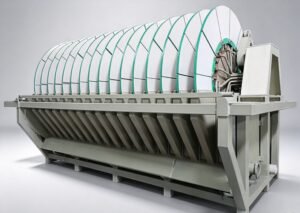
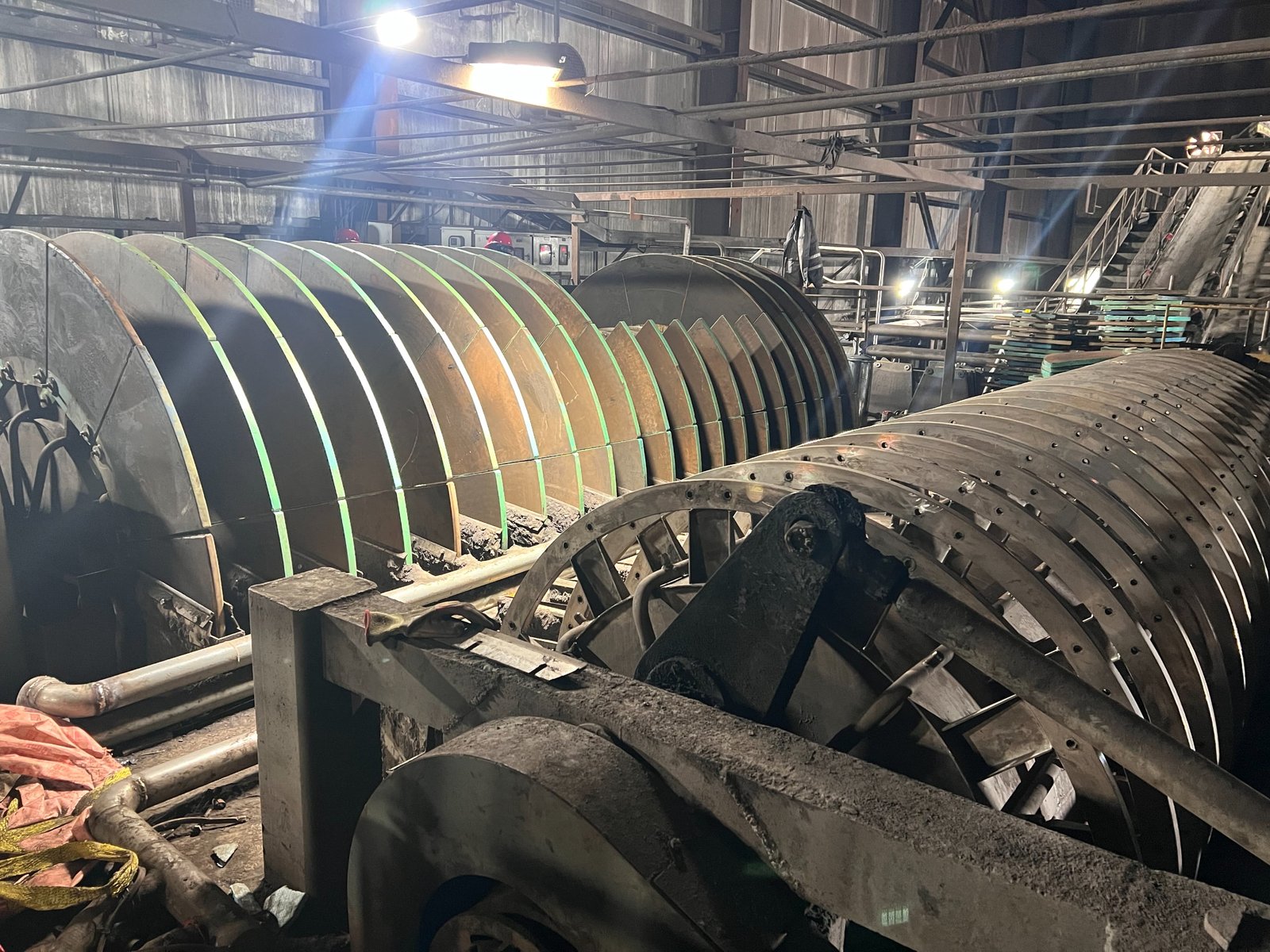
The foundation of effective component procurement is verifying the exact physical dimensions and disc size of your vacuum disc filter. These industrial systems are typically categorized by their total filtration area, encompassing standard formats ranging from pilot sizes up to heavy-duty industrial configurations (such as 1# to 12# standard sizes).
Dimensional precision is paramount when acquiring replacement ceramic filter plates for mining equipment. Even a microscopic deviation in the radius, thickness, or mounting plane distance (standardized at 8 mm from the plate face) can lead to rotational misalignment, heavy friction against scraper blades, and detrimental vacuum loss.
| Key Parameter Check | Standard Engineering Specification | Operational Significance |
|---|---|---|
| Alumina Content | 95% High-Purity Alumina | Delivers extreme wear resistance and chemical stability in abrasive mineral slurries. |
| Porosity & Pore Size | 38%–45% porosity (0.75–3.0 μm) | Achieves high water throughput while maintaining powerful capillary suction. |
| Backwash Pressure | 0.2–0.6 MPa (Factory tested to 0.8 MPa) | Enables safe, automated self-cleaning cycles without internal micro-cracking. |
2. Evaluate Outlet Configurations: Single vs. Double Outlet
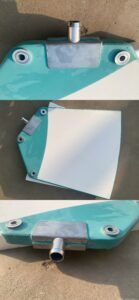
Filter sector plates feature dedicated filtrate discharge ports that must align perfectly with the internal receiver pipes of the central main shaft. Depending on the hydraulic layout of your disc filter, you must specify whether your setup requires a single-outlet or a double-outlet configuration. Ensuring correct port alignment prevents internal flow restrictions and preserves the stable system vacuum (≥ -0.09 MPa) necessary for ultra-low filter cake moisture.
3. Assess Slurry Composition and Manufacturing Integrity
Processing aggressive mineral applications—such as fine gold tailings, abrasive iron ore concentrates, or heavy copper slurries—demands robust manufacturing integrity. Traditional glued or machine-pressed plates often fail prematurely under continuous negative pressure. Selecting microporous sectors produced via an advanced water casting process ensures a seamless, one-piece integral structure with multi-connected internal water channels. This eliminates internal blockages, prevents delamination, and extends active operational lifespans to 13–15+ months.
“As modern mining projects pivot toward sustainable dry-stacking and strict water recovery, utilizing precision-engineered, long-lasting ceramic filter plates is essential for ensuring continuous, compliant processing operations.”
Need Assistance Identifying Your Filter Plate Specifications?
Provide our engineering team with your equipment model, physical dimensions, or old plate photos, and we will match you with the ideal high-performance solution.
Request Custom Sizing & Technical Support