As the global mining industry navigates a new era of strict environmental oversight, sustainability, and community accountability, traditional waste management practices are undergoing a massive transformation. A prime example is the recent major design pivot by Spanish Mountain Gold Ltd. (SMG) for its proposed open-pit gold mine near Williams Lake, B.C.[cite: 7] Rather than relying on traditional, high-risk wet tailings ponds, SMG redesigned its project to fully integrate filtered stack tailings technology (dry stacking)[cite: 7], setting a forward-thinking benchmark for modern mineral processing.
At the heart of this industry-wide shift toward dry-stack operations lies a critical engineering process: tailings dewatering. Understanding what this process entails and why it has become non-negotiable is essential for mining operators seeking long-term operational viability and environmental compliance.
What Is Tailings Dewatering?
In mineral processing, tailings are the fine-grained waste slurry left over after valuable minerals (such as gold, copper, or iron) are extracted from ore. Tailings dewatering is the mechanical solid-liquid separation process used to extract maximum moisture from this slurry before final disposal.
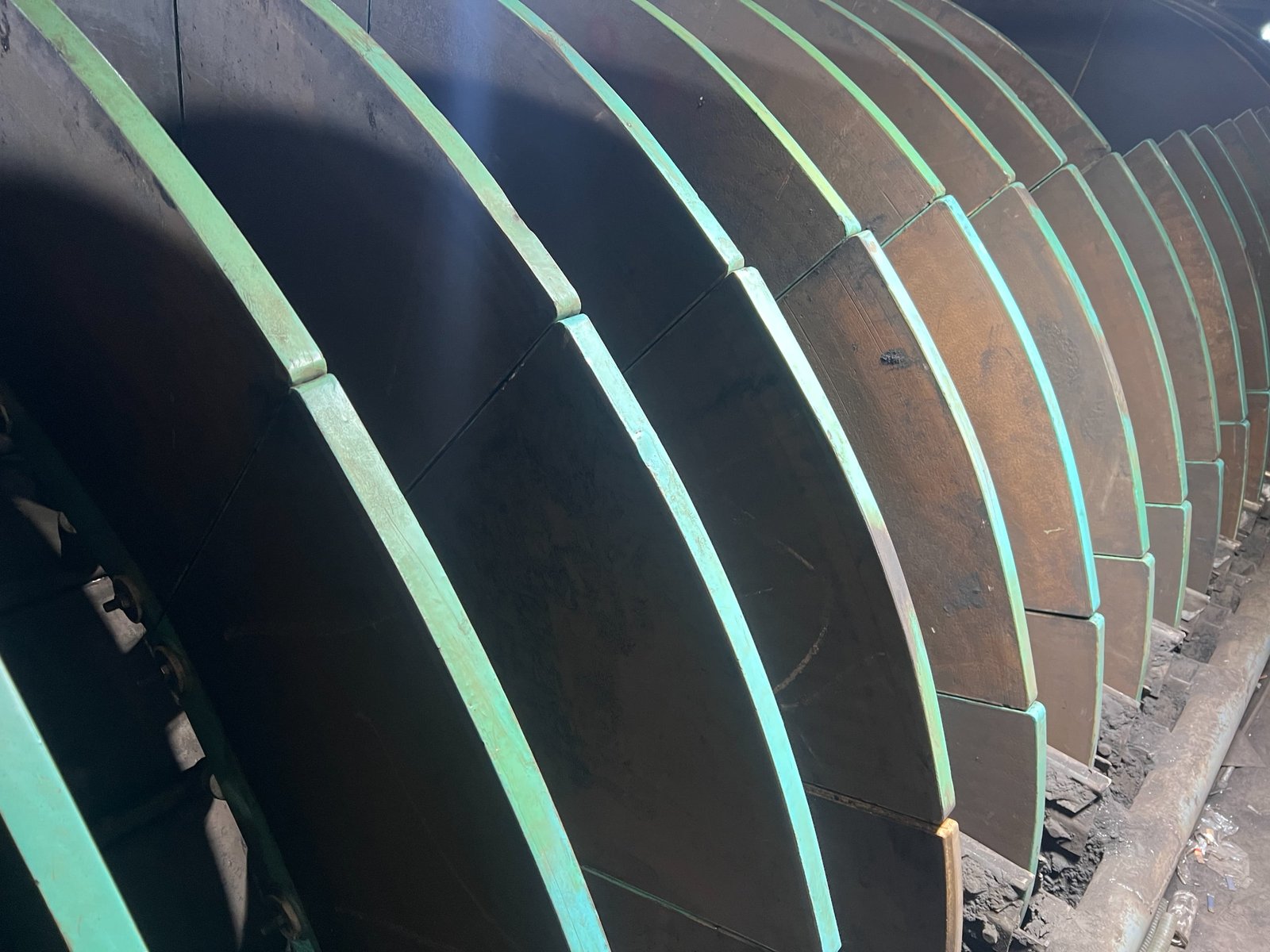
Instead of pumping wet, high-volume sludge into traditional tailing dams, advanced dewatering technologies—such as vacuum disc filters and specialized filter presses—reduce the moisture content to a precise level. The resulting dewatered material (filter cake) can then be safely conveyed, spread, and compacted into engineered dry stacks.
Why Tailings Dewatering Is Critical in Modern Mining
Implementing robust tailings dewatering methods for mining operations is no longer just a technical option; it is an absolute necessity driven by three core pillars:
1. Environmental Safety & Eliminating Catastrophic Risks
Traditional wet tailings storage facilities carry severe geotechnical and environmental risks, a lesson painfully learned by regional communities following historical watershed incidents like the 2014 Mount Polley disaster. By transitioning to filtered dry stacking—as demonstrated in Spanish Mountain Gold’s redesigned Northern Plateau facility—mines eliminate the need for large, water-retaining dams, drastically reducing failure risks and safeguarding local watersheds and fish-bearing aquatic habitats[cite: 7].
The Role of Advanced Ceramic Filtration in Dry Stacking
Achieving the low moisture thresholds required for stable dry stacking demands high-performance filtration equipment. Traditional filter cloths often fall short due to rapid blinding, air leakage, and high energy demands.
In contrast, modern ceramic vacuum filtration systems leverage microporous sector plates produced through an advanced water casting process. By combining multi-connected internal water channels with powerful capillary action, these ceramic plates deliver continuous 24/7 dewatering performance, crystal-clear filtrates (suspended solids < 20 mg/L), and up to 90% energy savings on vacuum systems.
“As mining projects worldwide challenge the status quo by adopting filtered tailings technology, upgrading to robust, one-piece sintered ceramic sector plates ensures long-term operational reliability and uncompromising environmental safety.”
Optimizing Your Plant’s Tailings Dewatering Circuit
Are you looking to enhance water recovery and meet stringent dry-stacking standards? Contact our engineering team today to explore how our heavy-duty replacement solutions can transform your plant’s efficiency.Request Technical Consultation & Quote