Ceramic Filter Plate vs. Filter Press: Which Dewatering Method Is Better?
In heavy-duty mineral processing, selecting the right solid-liquid separation equipment is one of the most critical engineering decisions a plant manager can make. Whether processing iron, copper, gold, or zinc concentrates, the choice between a modern ceramic vacuum filter and a traditional mechanical filter press directly impacts operating expenditures, energy consumption, and daily production throughput.
If you are evaluating the best dewatering method for mineral concentrate or planning a plant upgrade, understanding the operational and economic differences between a ceramic filter plate vs filter press is essential for optimizing your dewatering circuit.
How Each Technology Operates
To compare their performance, it is vital to look at their fundamental working principles:
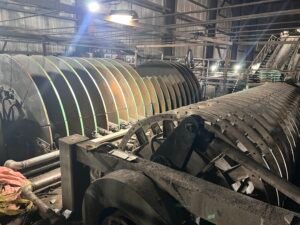
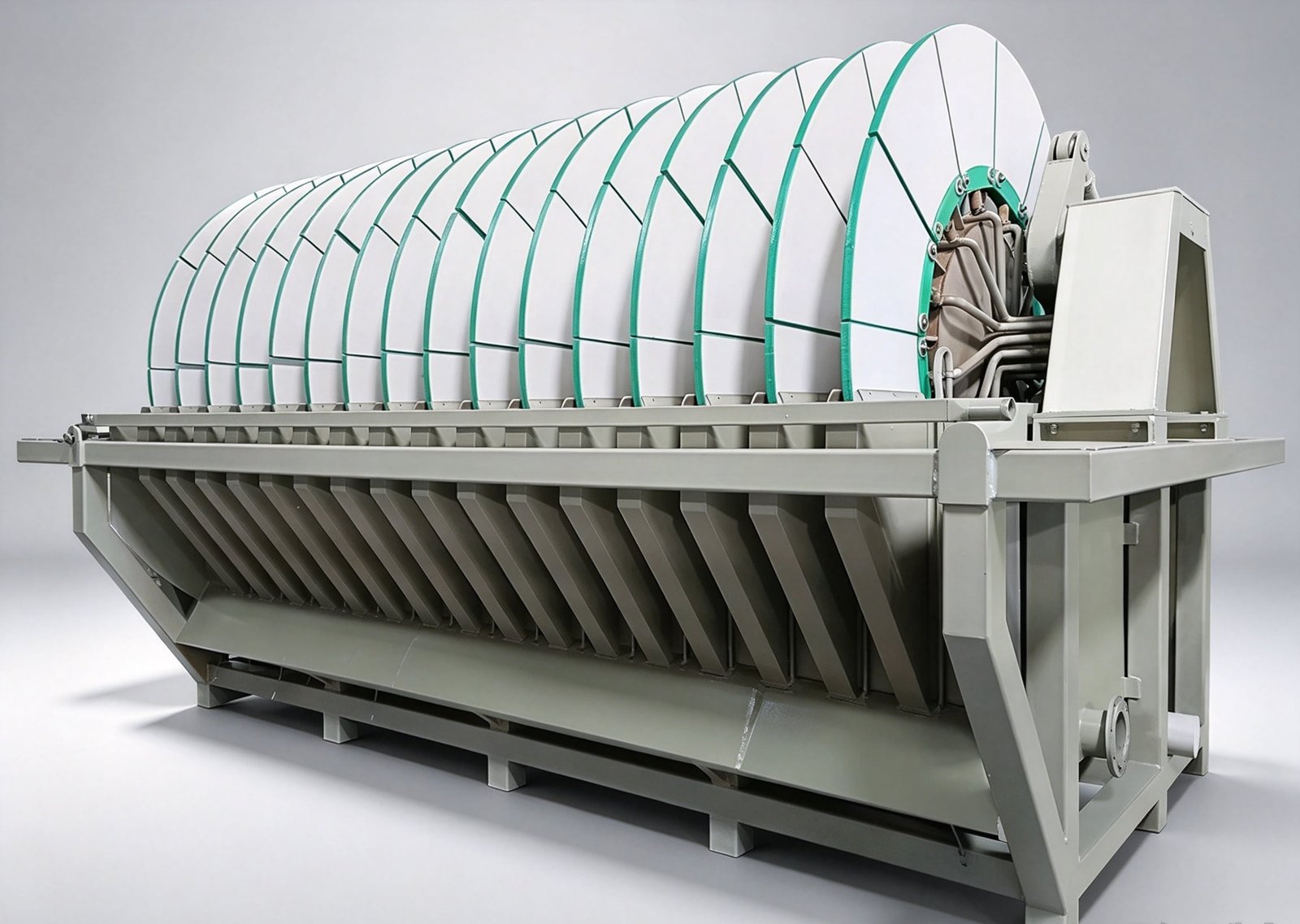
- Ceramic Disc Filter: Utilizes microporous ceramic sector plates mounted on a rotating horizontal shaft. Operating under a continuous vacuum (≥ -0.09 MPa), it leverages powerful capillary action to draw water through multi-connected internal drainage channels while blocking air penetration, enabling 24/7 continuous dewatering.
- Mechanical Filter Press: Operates on a batch-cycle basis. Slurry is pumped under high pressure into chambers lined with fabric filter cloths. Once the chambers are filled and squeezed, the press must pause to discharge the cake and wash or replace blinded cloths before starting the next batch.
Key Comparison: Efficiency, Energy, and Maintenance
When plant operators analyze vacuum ceramic filter vs filter press for mining applications, several key performance metrics separate the two technologies:
| Performance Metric | Ceramic Vacuum Filter | Traditional Filter Press |
|---|---|---|
| Operational Mode | Continuous 24/7 operation | Batch cycle operation (frequent stops) |
| Energy Consumption | Extremely low (up to 90% energy savings) | High power required for high-pressure pumps |
| Filtration Medium | Microporous ceramic plates (long-lasting) | Fabric filter cloths (frequent blinding & wear) |
| Maintenance Frequency | Low (plates last 13–15+ months) | High (regular cloth washing and replacement) |
Why Processing Plants Are Switching to Ceramic Filtration
While traditional filter presses have historically been used for high-pressure dewatering, they suffer from high labor costs due to cloth blinding, intensive water usage for cloth washing, and batch-cycle limitations. In contrast, advanced ceramic filtration systems provide continuous automated output with crystal-clear filtrates (suspended solids < 20 mg/L), making them ideal for modern water recycling and environmental compliance.
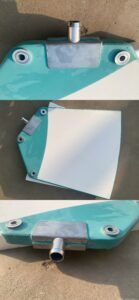
The structural backbone of any high-performance ceramic filter is the quality of its sector components. Traditional glued or machine-pressed sectors often fail under heavy industrial stress. By utilizing an advanced water casting process, premium 12㎡/Disc Heavy-Duty Plates offer seamless integrity, multi-connected internal water channels, and an extended operational lifespan of 13 to 15 months.
“Upgrading from batch filter presses to continuous microporous ceramic disc filters allows processing plants to slash energy consumption by up to 90% while eliminating frequent media replacement downtime.”
Ready to Transition to High-Efficiency Ceramic Dewatering?
Discover how our robust, long-lasting replacement ceramic sectors can transform your plant’s throughput and reduce operational costs.
Request Technical Consultation & Quote